The Five Most Common Mistakes People Make When Buying Tech in 2025 — Have You Fallen for Them?
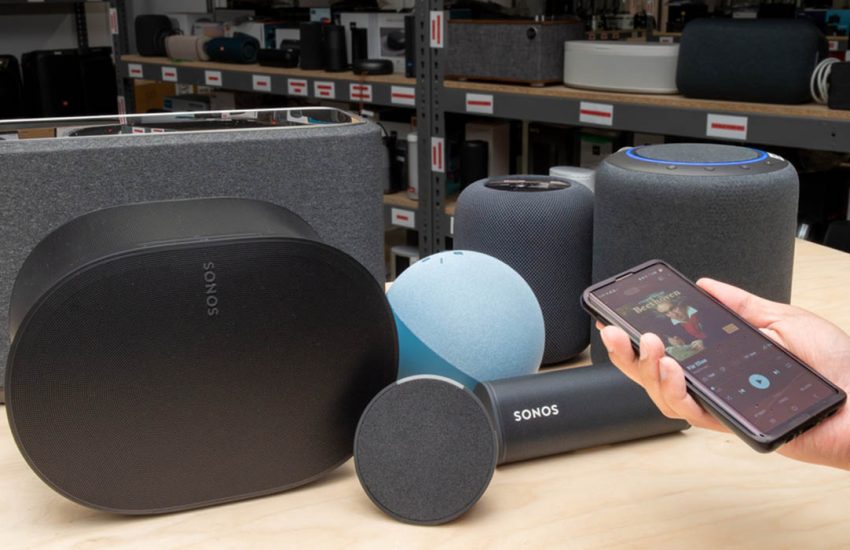
As technology continues to evolve at a dizzying pace, the frequency at which digital products are released has reached unprecedented levels. From smartphones, tablets, and laptops to wearable devices, smart home gear, AI voice assistants, and entertainment systems, our lives are increasingly surrounded by technology.
Gazelle.com – Buy Smart. Sell Easy.
Trade in your old phone, tablet, or laptop at Gazelle.com and get instant cash offers.
Or shop certified pre-owned devices that look and work like new — all fully tested and guaranteed.
Simple. Secure. Sustainable.
But amidst the overwhelming flood of new devices and ever-escalating specs, many people are still falling into common traps when buying tech. The result? Devices with unnecessary features, overblown budgets, or outdated components. In 2025, the trend is moving toward rational upgrades, but these five common mistakes still plague consumers. Let’s see if you’ve fallen for any of them.
1. Blindly Chasing the Newest Model: “New” Doesn’t Always Mean “Better for You”
The Problem:
“I have to get the latest model!” “Flagship means the best!” “Everyone else is getting it, so I should too!” These mindsets are surprisingly common when people shop for tech. Every time a manufacturer holds a launch event or review content floods social media, many users rush to buy the newest device—only to discover later that it doesn’t suit their needs at all.
A Real Example:
Take the foldable phone launched in early 2025, priced at £1600. While it captured attention with its futuristic design, many buyers quickly realized their daily use cases were still limited to messaging, maps, and light photography. The foldable feature saw little use, and issues like bulky size, weak battery life, and high repair costs became apparent—leaving them with a regretful purchase.
What’s Really Happening:
New doesn’t always mean better. Often, “new” simply means “experimental” or targeted toward niche use cases. By chasing innovation for its own sake, you risk becoming an unwitting beta tester for features that haven’t been proven in real-world scenarios.
The Smart Move:
Always start with your needs. Do you need a high-refresh-rate display? Are you constantly taking photos? Is remote work a big part of your life? Make a list of your top use cases and match them against the device’s capabilities. Never buy something just because it’s new.
2. Getting Sucked in by Specs: Paper Numbers ≠ Real-World Performance
The Problem:
Many shoppers fixate on specs: CPU cores, RAM size, camera megapixels, battery mAh, etc. While these numbers sound impressive, they don’t always reflect actual usage quality. Optimization, ecosystem integration, and hardware-software synergy are often more important.
Reality Check:
In 2025, several budget Android phones boasted “12GB RAM” in ads. However, users found the devices laggy and prone to killing background apps. Why? Poor memory management and system optimization. Similarly, some phones offered “108MP cameras” that delivered blurry, noisy photos due to tiny sensors and weak post-processing algorithms.
What’s Really Happening:
Specs are just one piece of the puzzle. A powerful chip needs efficient heat management and software tuning. A high-resolution camera requires strong computational photography. RAM size must be paired with smart multitasking logic.
The Smart Move:
Don’t just look at specs. Watch review videos, read forum discussions, and—ideally—try the product in-store to gauge responsiveness, display quality, and camera performance. Third-party reviews often reveal the truth behind the numbers.
3. Ignoring Ecosystem Compatibility: A Drawer Full of “Can’t Connect” Gadgets
The Problem:
Too often, people buy devices in isolation without considering how well they integrate with their existing tech. The result? A drawer full of gadgets that can’t sync or connect—headphones that won’t pair with your phone, tablets that don’t share files smoothly, and wearables that can’t track your health data properly.
A Common Scenario:
In 2025, many people bought smartwatches without checking OS compatibility—only to find out later that their devices wouldn’t sync with their phones or couldn’t display full health data. Or they bought an iCloud-based tablet despite using a Windows laptop, resulting in slow and clunky file transfers.
What’s Really Happening:
Performance is no longer just about individual products. It’s about how seamlessly your devices talk to one another. In work, learning, or creative environments, tight integration across devices can make or break your experience.
The Smart Move:
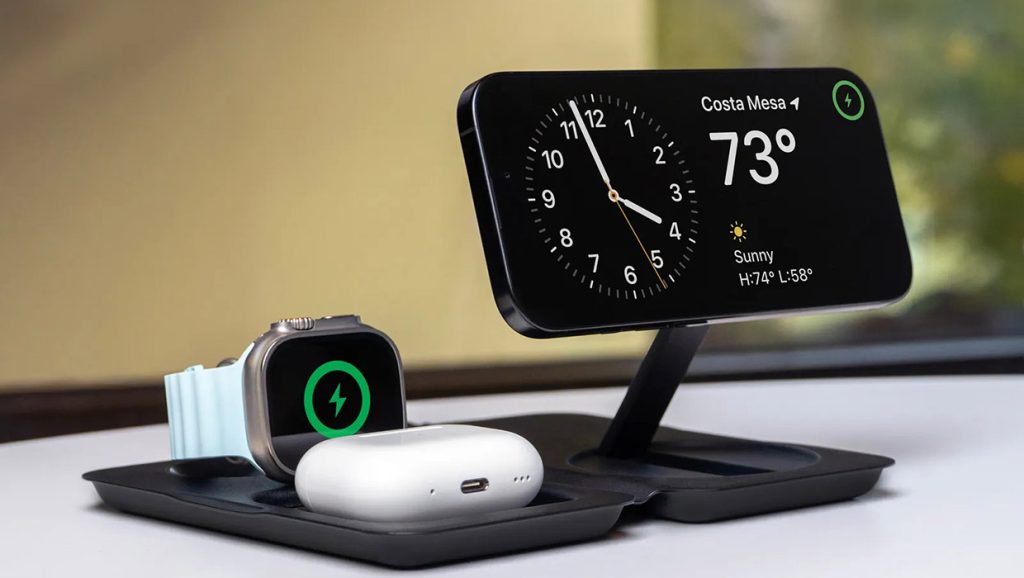
Before you buy, review your current gear. Stick to one ecosystem when possible. iPhone users will benefit from getting an iPad, MacBook, or AirPods. Android users should look for devices that support Google integration or specific ecosystem perks like Huawei Super Device or Samsung Flow. Always research software compatibility, accessory sharing, and data sync options.
4. Overlooking After-Sales Service: You Only Learn the Hard Way
The Problem:
While buyers often get excited about discounts or launch prices, they rarely dig into the device’s after-sales support. When something goes wrong, they realize too late that warranty coverage is weak, repair costs are sky-high, or support simply isn’t available in their region.
Real World Example:
One 2025 example involved a popular imported tablet. It was sold at a discount through overseas platforms. But when the screen failed after six months, users discovered the brand offered no local repair service. The only option was to ship it back overseas at a cost of nearly £1000 and wait over 30 days for service.
What’s Really Happening:
Digital products aren’t single-use items. They need updates, repairs, and technical support over time. Without a strong service network, even minor issues can become major problems.
The Smart Move:
Before you buy, always check the warranty policy. Does the brand offer international or local coverage? Is there a physical service center nearby? Do they offer loaner devices or extended warranty options?
Buying from trusted platforms like Amazon can also help. They often offer easy returns, warranty extensions, and buyer protection, giving you peace of mind beyond the purchase.

5. Worshipping “Bang for Your Buck”: Hidden Costs of Cheap Tech
The Problem:
“Cost-effective” is the buzzword of the decade. In 2025, many shoppers flock to the most affordable products with decent specs—but end up paying for that choice in other ways. Laggy performance, fast battery degradation, poor component quality, and incompatible accessories quickly reveal the hidden costs of budget tech.
Where It Goes Wrong:
Many budget projectors marketed as “6000 lumens, Full HD” end up displaying blurry images with loud fan noise and sluggish UI. Not only does this ruin the user experience, but it can also affect your eyesight if used frequently.
The Real Deal:
True value doesn’t come from low prices—it comes from longevity, reliability, and consistent performance. A laptop that costs £800 but works flawlessly for five years is a far better deal than a £400 model that breaks down in two.
The Smart Move:
Apply a “lifecycle cost” mindset. Try calculating:
(Total cost of the device + accessories + repair fees) ÷ years of use = annual cost
You’ll often find that slightly more expensive devices turn out to be more economical and less frustrating in the long run.
In 2025, Smart Buying Is All About Smart Thinking
In a world overwhelmed by rapid product launches and marketing hype, buying digital devices is no longer just a financial decision—it’s a test of your tech literacy, lifestyle awareness, and self-understanding.
Following the crowd, obsessing over specs, ignoring integration, neglecting service, or chasing low prices—all of these common mistakes can derail your tech experience for years. The key is to start with your actual needs and make informed, well-researched choices. That’s the real power behind smart tech shopping in 2025.