Foldable Phones Are More Than a Gimmick: A Comprehensive Look at Their Present and Future
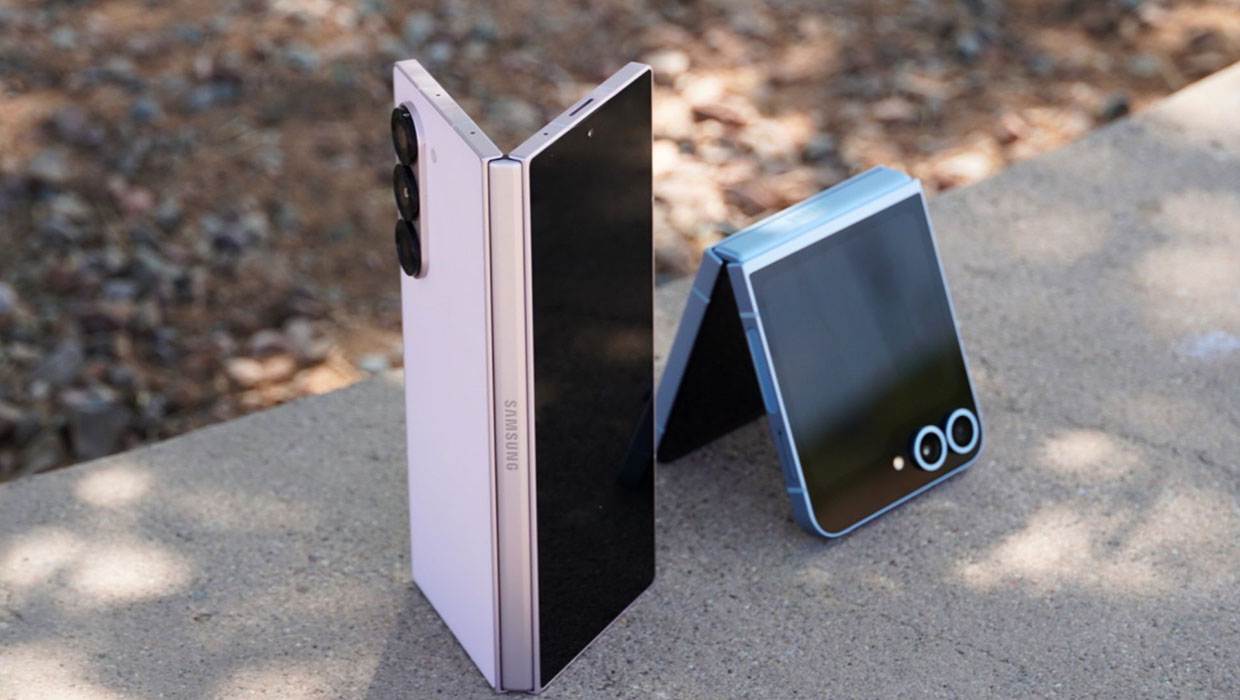
Foldable smartphones, once merely futuristic concepts shown in prototype videos, are now increasingly integrated into our everyday lives. Since the debut of the first commercially available foldable phone in 2019, these devices have evolved from novelties into mature tools for productivity and lifestyle. Whether it’s the horizontally folding “book-style” phones or the vertically folding “clamshell” designs, manufacturers are constantly refining display durability, hinge mechanics, system adaptability, and battery life. More recently, they’ve begun integrating AI with the folding form factor, unlocking entirely new modes of interaction.
Gazelle.com – Buy Smart. Sell Easy.
Trade in your old phone, tablet, or laptop at Gazelle.com and get instant cash offers.
Or shop certified pre-owned devices that look and work like new — all fully tested and guaranteed.
Simple. Secure. Sustainable.
I will conduct a panoramic analysis of foldable screen mobile phones from multiple dimensions including technological evolution, mainstream models, actual usage experience, AI empowerment, aesthetic design, price trends, user recommendations, etc. I also highlight a few standout models worth considering for anyone thinking of upgrading their device.
1. The Evolution of Foldable Technology: From Gimmick to Necessity
At the heart of foldable screens lies a solution to a key problem: the tradeoff between screen size and portability. Thanks to advances in display technology, hinge mechanisms, and materials science, today’s foldable smartphones have achieved:
- Mature Flexible AMOLED Panels: These allow for repeated folding without sacrificing image quality, offering color vibrancy and brightness comparable to conventional flagships.
- Multi-directional Hinge Innovations: Designs such as water-drop hinges and hidden hinges help reduce crease visibility and increase durability.
- Dual-Screen Integration: Foldables now offer seamless transitions between cover and main displays—closed, they behave like regular phones; open, they offer tablet-like screen real estate.
From flexible screens to software optimizations to AI-enhanced experiences, foldable smartphones are emerging as a viable sub-category in the mainstream mobile market.
2. Two Main Foldable Form Factors: Fold vs. Flip
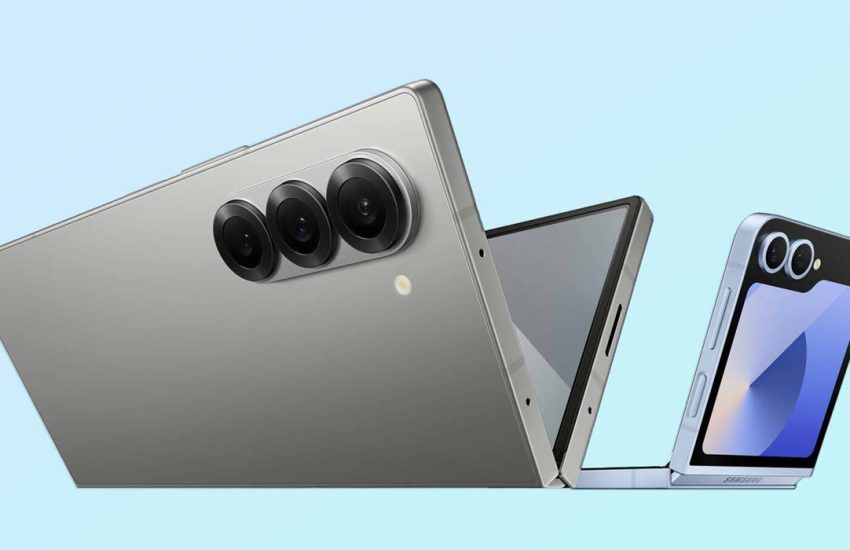
Currently, the foldable market revolves around two distinct styles:
Horizontally Folding (Fold-type) — For Productivity and Tablet-Like Use
Examples: Samsung Galaxy Z Fold6, HONOR Magic V2, HUAWEI Mate X5
Features:
- Unfolds into a 7–8-inch tablet screen, ideal for reading, writing, and work
- Enables multitasking with multiple windows
- Slightly bulkier; resembles a typical smartphone when folded
Best for: Professionals, content creators, and multitaskers who often work with PDFs, spreadsheets, or note-taking apps.
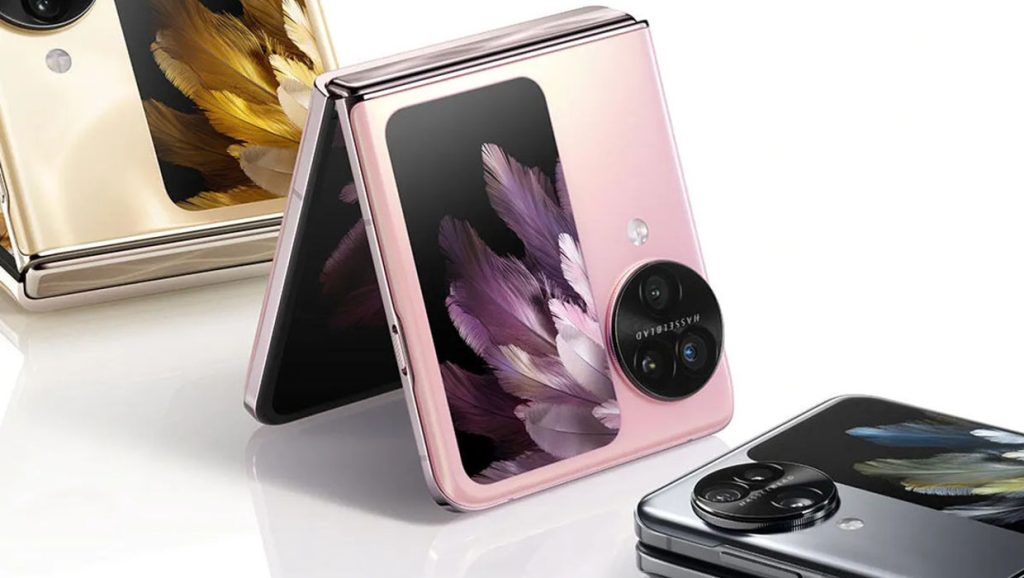
Vertically Folding (Flip-type) — Compact, Stylish, and Great for Selfies
Examples: Samsung Galaxy Z Flip6, Motorola Razr 50, OPPO Find N3 Flip
Features:
- Compact when folded; standard smartphone size when open
- Cover screen supports music controls, selfie previews, and notifications
- Design-forward, appealing to style-conscious users
Best for: Users who prioritize portability, design, and self-portrait photography.
3. In-Depth Usage Review
Display Quality
Most foldable phones use AMOLED displays with 2K+ resolution and vivid color reproduction. Unfolding the phone offers a near-tablet experience, particularly valuable when reading comics, editing documents, or multitasking across apps. High refresh rates (120Hz) and peak brightness levels exceeding 1700 nits ensure excellent outdoor visibility.
Crease Visibility and Durability
Early foldables suffered from visible creases and fragility. Today’s models feature water-drop hinges and UTG (Ultra-Thin Glass) for durability. For instance, Samsung’s collaboration with Corning has led to foldables that are 30% more pressure-resistant. Many models also feature IPX8 water resistance.
Multitasking Power
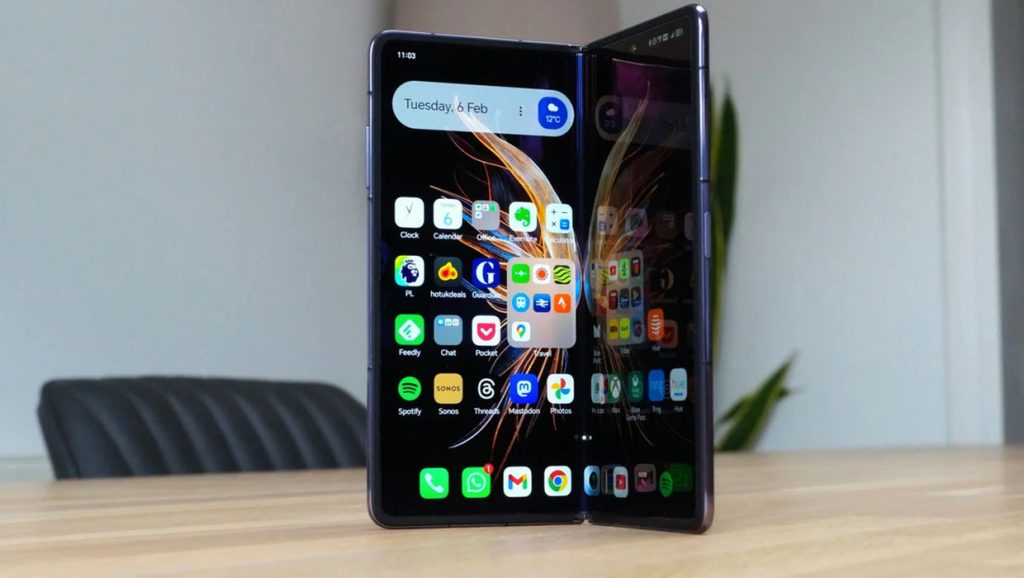
Fold models support split-screen and floating window modes, allowing simultaneous use of browsers, documents, and conferencing tools. Flip phones, too, have increasingly functional cover displays, supporting widgets for navigation, weather, health data, and more.
Camera Experience
Foldables often offer superior photography due to dual-screen support:
- Selfies using the primary camera while folded deliver exceptional image quality
- AI-powered tools enhance portraits, compositions, and night shots
- Smart split-view framing and subject tracking assist video creators and vloggers
4. AI Integration: Making Foldables Smarter
Recent AI breakthroughs are enhancing foldable smartphones in surprising ways:
AI Translation in Calls
Devices like the Galaxy Z Fold6/Flip6 provide real-time voice translation with on-screen subtitles, perfect for travel or international work.
AI Writing and Note Generation
Using tools like Samsung Notes or Huawei Memos, AI can summarize meetings, draft emails, and create social media captions from voice input.
AI Image Processing
Post-capture, AI refines photos by detecting faces, optimizing lighting, removing photo-bombers, and applying stylistic filters—all with one tap.
AI Power Management
By analyzing user behavior, AI adjusts CPU usage and app background activity to improve battery life by 15–30%. For example, the Galaxy Z Fold6 sees a 20% improvement over its predecessor.
5. Design Trends: From Prototype to Personal Statement
Foldables have evolved from plain, techy prototypes to stylish fashion items. Brands now offer:
- Vibrant color options and premium materials like matte glass, metal, and vegan leather
- Custom collaboration models, like OPPO’s artistic editions or Huawei’s culturally-inspired designs
- Personalizable cover screens with widgets, AI wallpapers, and live animations
Foldables are now as much about visual expression as they are about function.
6. Price Trends and Value-for-Money Analysis
While foldables were initially prohibitively expensive due to R&D and production costs, they’re now more accessible. For 2025:
| Model | Starting Price (CNY) | Highlights |
| Samsung Galaxy Z Fold6 | ¥13,999 | AI-enhanced, top-tier productivity |
| Samsung Galaxy Z Flip6 | ¥7,999 | Stylish, compact, selfie-focused |
| HONOR Magic V2 | ¥8,999 | Ultra-thin, lightweight flagship |
| OPPO Find N3 Flip | ¥6,999 | Feature-rich cover screen, strong camera |
These devices often come with trade-in bonuses, accessories, or warranty extensions, particularly when purchased through Amazon, which regularly features launch-day discounts and promotions.
7. Who Should Consider a Foldable Phone?
| User Type | Best Fold Type | Why |
| Business Professionals | Horizontal (Fold) | Multitasking, reading, on-the-go work |
| Students | Vertical (Flip) | Lightweight, affordable, stylish |
| Photography Enthusiasts | Vertical (Flip) | High-quality selfies, AI editing |
| Designers & Creatives | Horizontal (Fold) | Stylus support, sketching, large canvas |
| Fashion-Forward Users | Vertical (Flip) | Eye-catching design, color variety |
8. Looking Ahead: Transitional Device or Future Standard?
Foldables haven’t yet overtaken conventional smartphones, but they’re no longer niche gadgets. As hinges become slimmer, screen endurance passes the million-fold mark, and AI and chip integration deepen, foldables are poised to become mainstream.
The future might also include:
- Rollable Displays: Dynamic screen expansion on demand
- AI + XR Interaction: Combining spatial computing with eye-tracking
- Featherlight Builds: Sub-200g foldable flagships
- Cross-Device Ecosystems: Seamless integration with tablets, smartwatches, and PCs
The value of a foldable phone goes far beyond its ability to bend. Its true potential lies in how this flexibility reshapes human-device interaction. While various mobile form factors may emerge in the future, the blend of foldability and intelligence remains one of the most compelling combinations yet.
Foldables are at a pivotal stage, transitioning from early adoption to everyday utility. Whether you’re into trendy tech, need mobile productivity tools, or simply want a uniquely functional device, foldables are well worth exploring. Consider purchasing your device via trusted platforms like Amazon, where you’ll often find better prices and perks. Folding isn’t just a trick—it’s what tomorrow looks like today.
-850x550.jpg)